Sauna FAQ
-
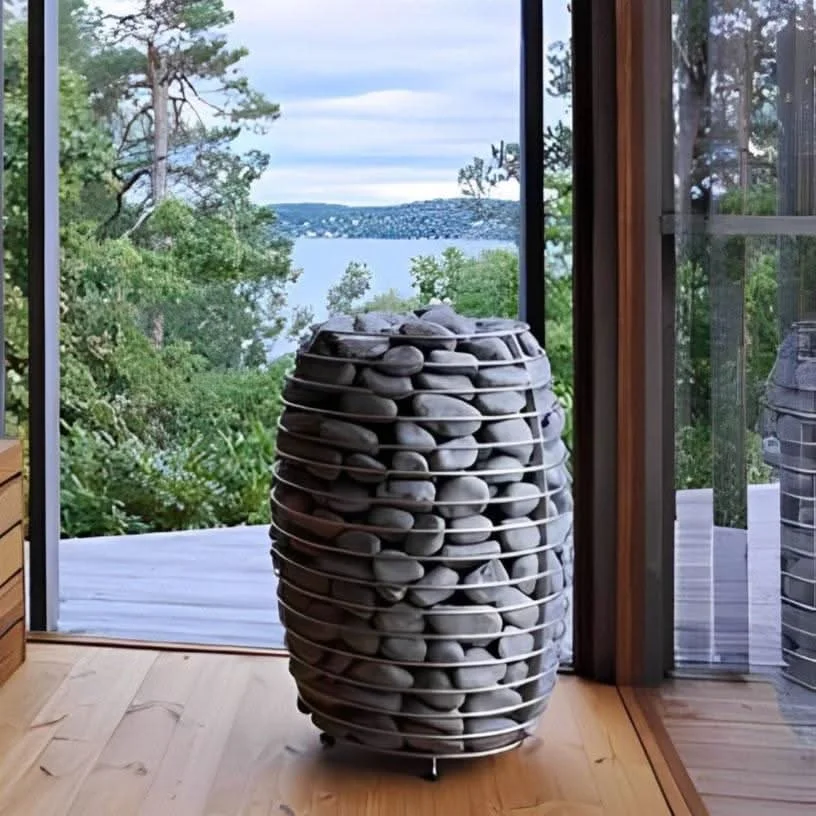
A traditional sauna typically operates between 176°F and 212°F (80°C to 100°C). Humidity can be increased by pouring water over the heated sauna rocks, creating steam and intensifying the heat sensation.
-
Traditional saunas operate at higher temperatures and use heated air to warm the body. Most traditional saunas range from 176°F to 212°F (80°C to 100°C) and commonly include steam by pouring water over hot rocks. This burst of steam, known as löyly in Finnish sauna culture, increases humidity and makes the heat feel more intense. Traditional saunas are the most widely studied form of sauna bathing and serve as the foundation for much of the existing research on cardiovascular and wellness benefits.
Infrared saunas operate at much lower air temperatures, typically around 100°F to 140°F, and heat the body using infrared panels rather than hot air. Because the air temperature is lower, many people find infrared saunas more comfortable and easier to tolerate for longer sessions. Infrared saunas are also generally less expensive to purchase and install, require less electrical demand, and tend to heat up faster than traditional saunas. However, they do not create steam and provide a different overall sauna experience compared to a traditional rock-heated sauna.
-
When it comes to enjoying a sauna, safety is key. For most people, sauna sessions should be limited to 15–20 minutes at a time. If you’re new to sauna bathing, start with shorter sessions of 5–10 minutes and gradually increase your time as your body adapts. The goal is to stay comfortable, relax, and always listen to your body.
-
Do not use a sauna if you feel sick (fever, flu, infection, etc.).
Do not stay in longer than 15–20 minutes per session.
Do not ignore warning signs like dizziness, nausea, headache, or feeling faint—exit immediately.
Do not drink alcohol before or during sauna use.
Do not use drugs or medications that impair awareness or affect heat tolerance.
Do not bring glass containers into the sauna.
Do not pour excessive water on rocks (only small amounts at a time).
Do not use the sauna if you have uncontrolled medical conditions without doctor approval.
Do not allow children to use a sauna unsupervised.
Do not fall asleep in the sauna.
Do not use the sauna if you are severely dehydrated.
Do not go directly from extreme heat to extreme cold unless you are experienced and do it gradually.
-
Using a sauna every day can be safe for many people, but it depends on your overall health and comfort level. If you are generally healthy, daily sauna use may be appropriate, as long as you stay hydrated and listen to your body.
Regular sauna use can provide benefits such as stress relief, relaxation, and muscle recovery. However, you do not need to use a sauna every day to experience these benefits—consistent use a few times per week can still be very effective.
-
Using a sauna after a workout can be a great way to support muscle recovery and relaxation. The heat helps increase circulation and may reduce muscle tension after exercise, making it a popular addition to many post-workout routines.
If you’re interested, try adding a short sauna session after training and see how your body responds. Be sure to stay well hydrated before and after your session, since sweating can lead to significant fluid and electrolyte loss.



Follow us on Social


Receive a Free Quote
We value your privacy. Information submitted is used only to provide your quote and will not be shared.